


Modern Solutions for Photoaging
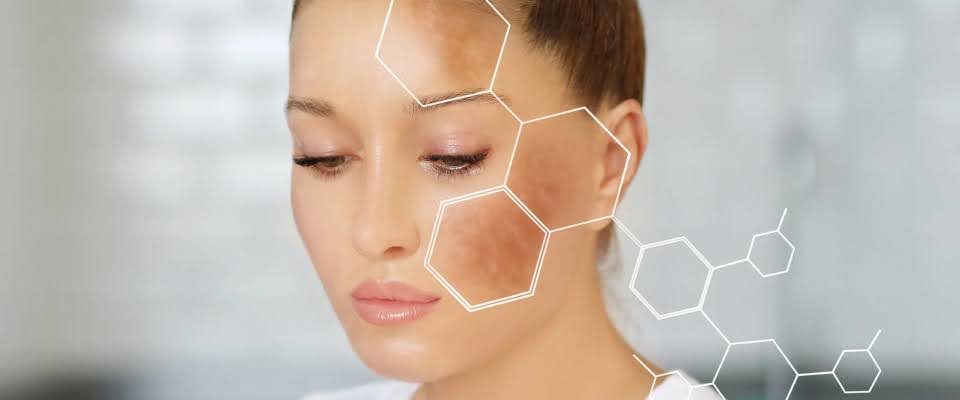
The sun doesn’t need a beach day to impact your skin. Daily exposure adds up over time, gradually creating dark spots, hyperpigmentation, uneven tone, rough texture, and fine lines — making sun damage one of the most common concerns we treat at WIFH.
Many patients assume sun damage is permanent, but that’s not necessarily the case. In reality, modern skin treatments can significantly improve the visible effects of photoaging and help restore a smoother, brighter complexion.
At WIFH in Atlanta, our practitioners use advanced laser treatments, medical-grade chemical peels, and collagen-stimulating procedures to safely and effectively improve sun damage. Because every patient’s skin is different, we customize treatment plans based on your skin type, concerns, and long-term goals.
In this guide, we’ll explain how sun damage develops, what it looks like, and the most effective treatments for improving sun-damaged skin on the face, chin, chest, shoulders, and other commonly affected areas.
Understanding Sun-Damaged Skin
Sun damage, also known as photoaging, occurs when ultraviolet (UV) radiation penetrates the skin and gradually breaks down its structural support.
Even small, everyday exposure adds up. Walking to your car, sitting near windows, running errands, or spending short periods outdoors without sunscreen can contribute to long-term skin damage.
Over time, this repeated exposure leads to changes beneath the surface of the skin — including collagen breakdown and increased pigment production.
Over time, these changes can show up as:
- Dark spots and uneven pigmentation
- Fine lines and wrinkles
- Rough or leathery texture
- Enlarged pores
- Broken capillaries and redness
- Overall dullness or loss of radiance
The areas most commonly affected include the face, chin, chest, shoulders, arms, and hands, which receive the most cumulative sun exposure.
Important note:
While this article focuses on aesthetic concerns, sun exposure also increases the risk of skin cancer. If you notice any new or changing moles or spots, consult a dermatologist and maintain regular skin checks.
How UV Radiation Damages the Skin
Sunlight contains two primary types of ultraviolet (UV) radiation that contribute to skin aging: UVA and UVB rays. UVB rays affect the outer layers of the skin and are responsible for sunburn. They damage the DNA within skin cells, trigger inflammation and redness, and contribute to pigment changes that can lead to dark spots or uneven tone over time.
UVA rays penetrate deeper into the skin where they break down collagen and elastin. This leads to fine lines, laxity, and long-term changes in skin quality. Because UVA rays are present year-round and can pass through windows, this type of damage builds gradually over time.
Common Signs of Sun Damage
Sun damage can appear differently depending on skin tone, age, and exposure history. Some of the most common signs we see include:
- Sun spots and age spots: Flat brown patches caused by excess melanin
- Freckles or pigmentation clusters: Dark spots that multiply or deepen over time
- Fine lines and wrinkles: Caused by collagen breakdown
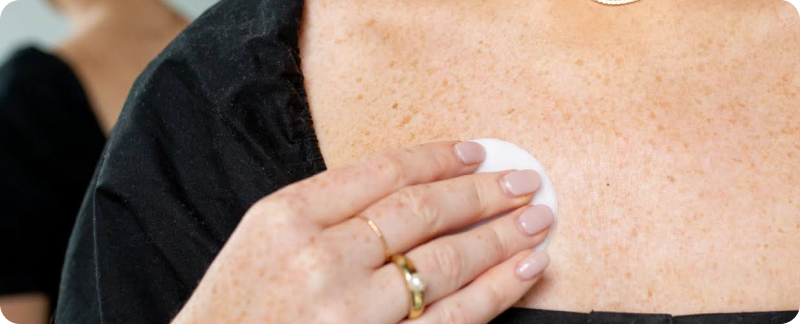
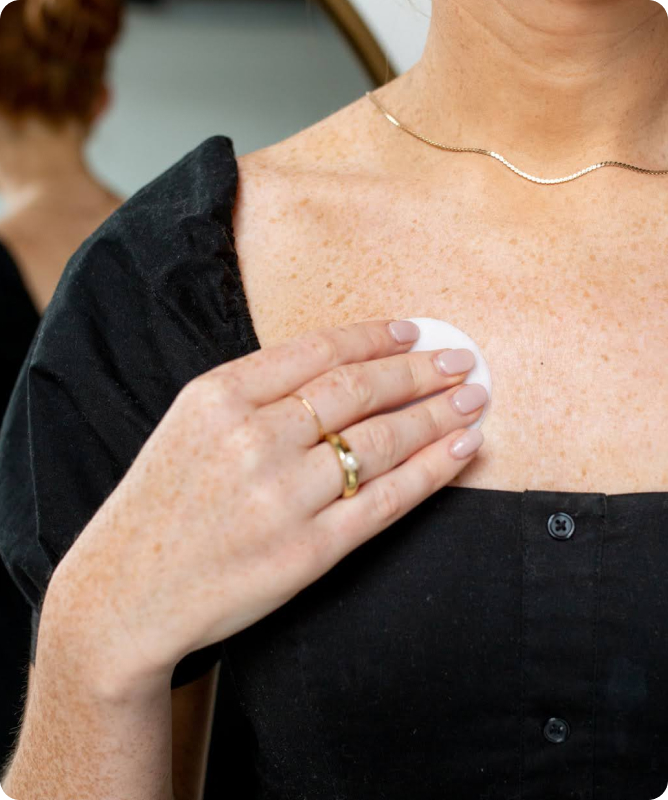
- Rough skin texture: Often noticeable on the chest and décolletage
- Uneven tone or blotchiness: Areas of discoloration across the skin
- Redness or visible capillaries: Dilated blood vessels near the surface
- Enlarged pores: Loss of skin elasticity can make pores appear larger
- Overall dullness: Skin that appears tired or aged
Recognizing these changes is the first step toward choosing the right treatment approach.
Who Is a Good Candidate for Sun Damage Treatments?
Most patients with uneven pigmentation, dull skin, rough texture, or early signs of photoaging can benefit from professional sun damage treatments.
The most effective treatment plan depends on factors such as:
- Skin tone and type
- Severity and depth of sun damage
- Areas being treated
- Individual goals and downtime preferences
During a complimentary consultation at WIFH, a practitioner evaluates your skin and recommends a customized treatment plan. Our approach is never one-size-fits-all — we tailor treatments to safely address your specific concerns.
Best Treatments for Sun-Damaged Skin at WIFH
Different treatments address sun damage in different ways. Some target pigmentation, while others stimulate collagen or resurface the skin.
Often, the best results come from combining treatments that work on multiple layers of the skin.
Laser Treatments for Sun Damage
Laser and light-based treatments are highly effective for correcting pigmentation and improving overall skin tone.
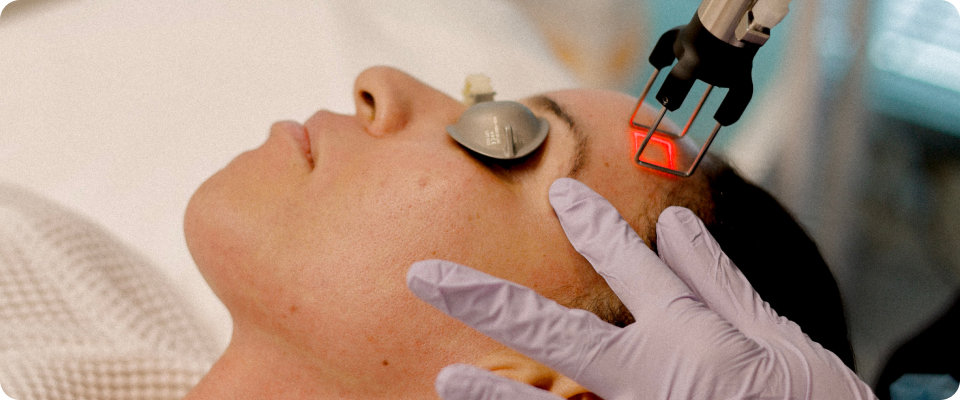
IPL PhotoFacial
The IPL PhotoFacial uses intense pulsed light (IPL) technology to target excess melanin and visible blood vessels caused by sun exposure and environmental damage. Pulses of light are delivered into the skin using specialized filters that focus the energy on pigment and vascular irregularities while leaving the surrounding tissue unharmed. The pigmented areas absorb the light energy, which breaks down unwanted pigment so the body can naturally clear it.
Over the following days, the treated pigment moves through the skin’s natural renewal process:
- Treated spots temporarily darken: This is a normal response as the pigment absorbs the light energy.
- The pigment rises to the surface: The damaged pigment begins to break apart and move upward through the skin.
- The discoloration gradually flakes away: Over the next several days to about two weeks, the darkened spots crust or flake off, revealing clearer, more even-toned skin underneath.
In addition to targeting pigmentation, IPL can also improve overall skin clarity by reducing redness and visible vessels, making it a versatile option for treating multiple concerns at once.
IPL is commonly used to treat:
- Sun spots and age spots
- Freckles
- Uneven pigmentation from sun damage
- Redness and broken capillaries (facial veins)
Because IPL treats pigment and vascular issues in the skin, it can be used on several sun-exposed areas of the body, including the face, neck, chest, shoulders, arms, hands, back, and legs.
Laser Facial
A laser facial is a gentle, noninvasive treatment designed to improve overall tone and texture with little to no downtime. The treatment works by delivering controlled heat into the deeper layers of the skin while leaving the surface intact. This heat stimulates natural collagen production and increases cell turnover, helping skin gradually appear smoother, brighter, and healthier over time.
Because the skin’s surface is not damaged during treatment, laser facials are often a good option for patients who want visible skin improvement without the recovery time associated with more aggressive resurfacing procedures.
This treatment helps:
- Brighten dull skin by stimulating circulation and cell renewal
- Reduce redness and improve overall skin clarity
- Improve enlarged pores by supporting collagen in the surrounding tissue
- Smooth early texture changes and fine lines
- Support acne improvement by reducing acne-causing bacteria beneath the skin
Laser facials are commonly used to address concerns such as rosacea, mild acne, uneven texture, and early signs of aging, making them a versatile option for maintaining healthy, refreshed-looking skin.
Chemical Peels for Sun Damage
Chemical peels improve sun-damaged skin by removing damaged surface layers and stimulating new skin cell turnover. These treatments use a specialized blend of exfoliating acids to remove damaged surface layers and encourage healthier skin to emerge. This process can improve tone, texture, and overall skin clarity while supporting long-term skin renewal.
At WIFH, VI Peels are commonly recommended for treating pigmentation concerns and uneven texture caused by sun exposure. These medical-grade peels use a carefully balanced blend of acids, antioxidants, and vitamins to penetrate the skin and promote controlled exfoliation. As the skin renews itself, the treatment helps:
- Lift excess pigment associated with sun damage and discoloration
- Improve overall skin tone for a more even complexion
- Smooth rough or uneven texture
- Stimulate collagen production to support healthier skin over time
Following the treatment, the skin typically exfoliates over several days as the outer layers shed. During this process, damaged cells are replaced by fresh, healthier skin underneath.
Many patients notice visible improvements in:
- Sun spots and hyperpigmentation
- Overall skin clarity
- Brightness and radiance
- Texture irregularities and roughness
Because chemical peels can be customized based on skin type and concerns, they are often part of a broader treatment plan to address sun damage and maintain long-term skin health.
Microneedling & RF Microneedling
Sun exposure weakens the structural support of the skin by gradually reducing collagen and elastin — the proteins responsible for keeping skin firm, smooth, and resilient. Microneedling addresses this deeper level of sun-related skin damage by stimulating the skin’s natural repair process.
During treatment, very fine needles create controlled micro-injuries in the skin. These tiny channels trigger the body’s healing response, stimulating new collagen and elastin production. As the skin repairs itself, patients often see gradual improvements in overall skin quality and resilience.
Microneedling can help improve:
- Fine lines and early signs of aging
- Rough or uneven texture
- Crepey skin
- Mild pigmentation and sun damage
- Acne scars and enlarged pores
RF (radiofrequency) microneedling enhances this process by delivering controlled radiofrequency energy into the deeper layers of the skin through the microneedles. This added heat energy stimulates additional collagen production and tissue remodeling while also helping tighten the skin.
As collagen continues to rebuild over the following weeks and months, patients often experience:
- Firmer, tighter skin
- Improved skin texture and smoothness
- Gradual reduction in sun-related skin aging
- More refined pores and improved skin quality
Because these treatments work by stimulating the body’s natural collagen response, improvements develop gradually and continue over time, making microneedling and RF microneedling effective options for addressing deeper structural changes caused by sun damage.
HydraFacial for Sun-Exposed Skin
HydraFacial is a gentler, maintenance-focused treatment that helps refresh and support sun-exposed skin. While it does not remove deeper sun damage the way lasers or resurfacing treatments can, it plays an important role in keeping skin hydrated, clear, and glowing between more intensive treatments.
The HydraFacial treatment uses a specialized device to cleanse, exfoliate, and extract impurities while simultaneously infusing the skin with hydrating and antioxidant-rich serums. This process helps remove dull surface buildup and replenish moisture, which can improve the overall appearance of skin affected by sun exposure. Patients often notice smoother, brighter skin immediately after treatment.
HydraFacial can help:
- Deeply cleanse and exfoliate dull, sun-exposed skin
- Improve hydration, which supports healthier skin function
- Brighten the complexion and improve overall glow
- Reduce the appearance of congestion and enlarged pores
- Maintain results between corrective treatments like lasers or peels
At WIFH, HydraFacial treatments can be customized depending on your skin goals. Options include:
- Classic HydraFacial: A foundational treatment that focuses on gentle cleansing, exfoliation, extractions, and deep hydration for refreshed, healthy-looking skin.
- HydraFacial Plus: Builds on the Classic treatment with targeted boosters designed to address concerns such as uneven tone, dullness, or early signs of aging.
- HydraFacial Platinum: The most comprehensive option, combining the full HydraFacial treatment with lymphatic drainage to support circulation and detoxification, plus LED light therapy to enhance skin health and rejuvenation.
Because HydraFacial treatments are customizable and require no downtime, they are often recommended as part of an ongoing skincare routine to help maintain clearer, brighter skin throughout the year.
How to Prevent Future Sun Damage
Treating sun damage is only one part of maintaining healthy skin long term. Preventing additional ultraviolet (UV) exposure is essential for protecting your results and slowing future skin aging. Even after successful treatment of pigmentation, collagen loss, or texture changes, ongoing UV exposure can gradually cause new damage to develop.
Daily sun protection is one of the most important habits for preserving the results of treatments such as IPL PhotoFacials, chemical peels, laser resurfacing, and microneedling. At WIFH, practitioners emphasize a consistent sun protection routine as part of every long-term skin care plan.
Sun Protection
Key sun protection strategies include:
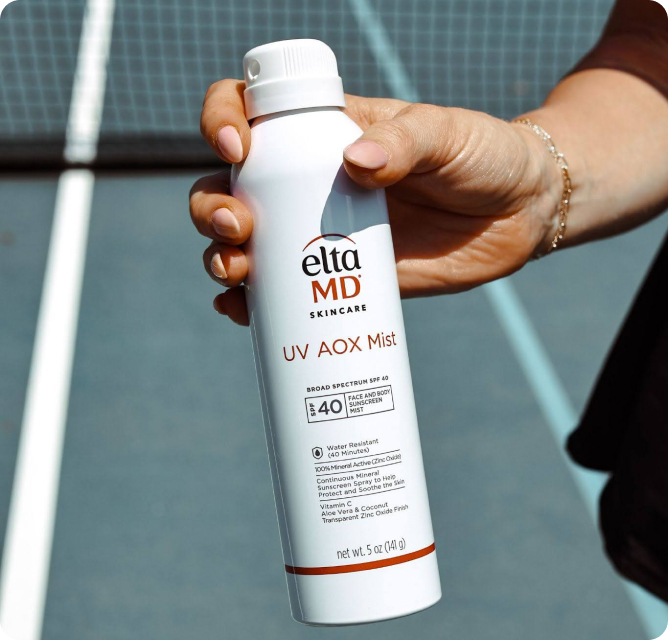
- Wear broad-spectrum SPF 30 or higher daily: Sunscreen should protect against both UVA and UVB rays and be applied every morning, even on cloudy days.
- Reapply every two hours when outdoors: Sunscreen can wear off with sweat, water exposure, or time, making reapplication essential during extended outdoor activity.
- Apply sunscreen to commonly missed areas: The face, neck, chest, ears, and hands are frequently exposed to sunlight and often show early signs of aging.
- Wear protective accessories: Wide-brimmed hats and UV-blocking sunglasses provide an additional layer of protection for the face and delicate eye area.
- Seek shade during peak UV hours: Sun intensity is strongest between 10 a.m. and 4 p.m., when skin is most vulnerable to UV damage.
- Be aware of reflective surfaces: Water, sand, and pavement can reflect UV rays, increasing exposure even when you are not in direct sunlight.
Incorporating these habits helps reduce cumulative sun exposure and supports healthier skin over time.
Medical-Grade Skincare
Professional treatments can significantly improve sun-damaged skin, but medical-grade skincare plays an important role in supporting the skin’s repair process and preventing future damage. These formulations contain higher concentrations of active ingredients and are designed to penetrate deeper into the skin than many over-the-counter products.
A well-designed skincare regimen can help maintain the results of treatments while continuing to improve tone, texture, and overall skin health. Ingredients we commonly recommend for sun-damaged skin include:
- Vitamin C antioxidants: Help neutralize free radicals caused by UV exposure while supporting brighter, more even skin tone.
- Retinoids: Encourage skin cell turnover, stimulate collagen production, and improve the appearance of fine lines and pigmentation.
- Niacinamide: Supports the skin barrier, helps reduce redness and discoloration, and improves overall skin texture.
At WIFH, patients have access to several trusted medical-grade skincare brands, including:
During a consultation, WIFH practitioners can recommend a customized skincare regimen tailored to your skin type, sun damage level, and treatment plan. This personalized approach helps ensure that skincare products work in combination with in-office treatments to achieve the best long-term results.
Maintenance Treatments
Maintaining healthy skin is an ongoing process. Even after addressing sun damage with more intensive treatments, periodic maintenance treatments help support skin renewal and preserve results over time.
Depending on your skin type, lifestyle, and treatment history, your practitioner may recommend a maintenance plan that includes treatments such as:
- HydraFacials: Help maintain hydration, exfoliation, and skin clarity between corrective treatments.
- Chemical peels: Encourage continued cell turnover and help manage pigmentation or uneven texture.
- Occasional laser sessions: Target new pigmentation or redness that may develop with ongoing sun exposure.
These treatments can be spaced throughout the year to help keep skin refreshed and address minor changes before they become more noticeable.
When professional treatments, medical-grade skincare, and consistent sun protection are combined, they create a comprehensive strategy for maintaining healthier, more radiant skin long term.
Why Patients Choose WIFH for Sun-Damage Treatment
With more than 1.5 million laser treatments performed and over 90 years of combined laser experience, our team has extensive expertise treating a wide range of skin concerns and skin tones.
Our team focuses on:
- Evidence-based treatments
- Fully customized treatment plans
- Safe, effective care for all skin types
Because sun damage appears differently for every patient, we take the time to understand your concerns and design a treatment plan tailored to your skin. Schedule your complimentary consultation at WIFH to learn which combination of treatments can help restore brighter, smoother, healthier-looking skin.

Sarah Richardson, LME
Sarah Richardson is a Medical Aesthetician and an Assistant Cosmetic Laser Practitioner licensed by the Georgia Medical Composite Board. With over 16 years of skin care experience, Sarah specializes in creating customized treatment plans to address our patients’ individualized needs. Through a combination of clinical facials and aesthetic procedures, as well as scientifically effective skin care products, Sarah helps patients achieve a healthy, radiant, and glowing complexion. She is truly passionate about what she does and loves to educate others who are looking to improve their skin’s health.