


Understanding Hyperpigmentation & What Can Help
Uneven skin tone, dark spots, melasma, post-inflammatory hyperpigmentation (PIH), and post-acne marks are among the most common skin concerns we see at WIFH. If you’re searching for the best facial for hyperpigmentation, the right professional treatment can help brighten discoloration, improve overall skin clarity, and support a more even-looking complexion. The good news is the right professional facial can make a visible difference, especially when the treatment is tailored to what’s actually causing the pigment.
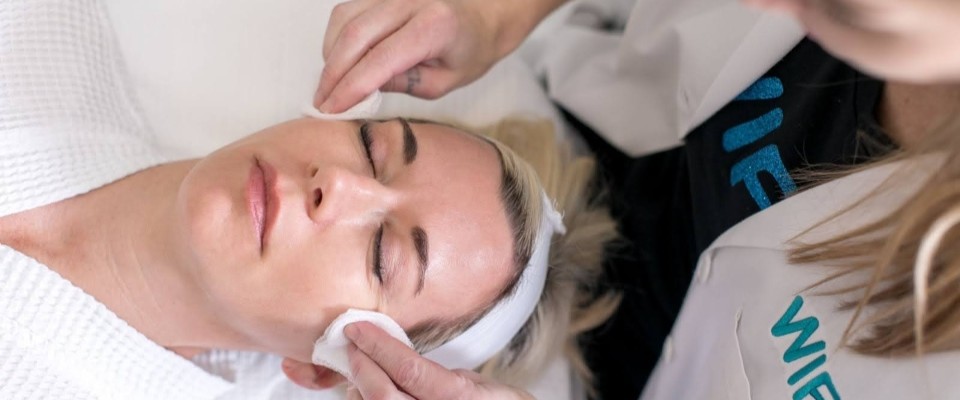
At WIFH in Atlanta, our practitioners customize facials to help fade discoloration, brighten dull skin, and support long-term skin health. Treatments like HydraFacial and our Oxygen Facial are popular because they combine exfoliation, targeted brightening, and deep hydration with little to no downtime.
What Is Facial Hyperpigmentation?
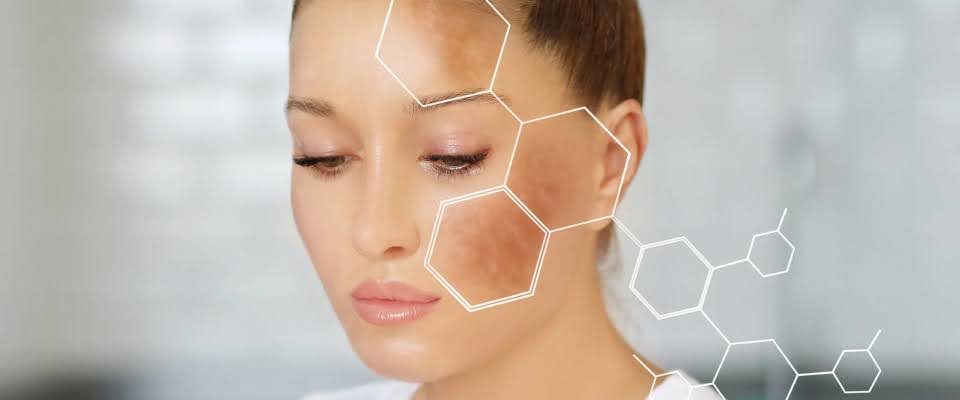
Facial hyperpigmentation happens when your skin produces excess melanin, the pigment that gives skin its color. Melanin is produced by cells called melanocytes in the epidermis. When those melanocytes become overstimulated, pigment can collect in certain areas — showing up as dark spots, patches, or uneven tone.
Common Types of Hyperpigmentation
Hyperpigmentation isn’t just one thing. Knowing the type you have matters because it helps determine which treatments will actually work.
- Sun spots (solar lentigines): Flat tan-to-brown spots caused by cumulative ultraviolet (UV) exposure. Often seen on the cheeks, forehead, nose, and around the eyes.
- Post-inflammatory hyperpigmentation (PIH): Dark marks that appear after inflammation (most commonly acne). PIH can be more persistent in deeper skin tones.
- Melasma: Patchy discoloration commonly influenced by hormones, heat, and UV exposure. Often appears on the upper lip, cheeks, and forehead.
Causes of Hyperpigmentation
Hyperpigmentation is typically triggered by a mix of environment, hormones, skin inflammation, and genetics.
- Sun exposure: UV radiation signals melanocytes to produce more pigment. Even incidental daily exposure can compound over time.
- Hormonal shifts: Pregnancy, birth control, and hormone therapy can influence pigment production and trigger melasma.
- Inflammation or trauma: Acne, eczema, and overly aggressive treatments can stimulate melanocytes and lead to longer-lasting discoloration.
- Genetics: Some skin types have naturally more reactive melanocytes, which can make pigment easier to trigger and harder to fade.
While topical skincare can help manage discoloration, professional facial treatments provide deeper exfoliation, targeted brightening ingredients, and customized treatment plans that often produce more noticeable improvements. For many patients, professional treatments can help accelerate progress while supporting healthier, more resilient skin.
Facials For Treating Hyperpigmentation
Not All Facials Are Created Equal
When treating hyperpigmentation, the best facial is not always the most aggressive option. A thoughtful, customized approach helps reduce the risk of irritation that can worsen pigment.
Your practitioner will consider several factors when recommending the right facial:
- Fitzpatrick skin type: Deeper skin tones may require a more conservative approach to avoid triggering additional pigmentation.
- Pigment depth: Surface discoloration responds differently than pigment located deeper in the skin.
- Skin sensitivity and inflammation: Reactive skin often benefits from barrier support before aggressive exfoliation.
- Other skin concerns: Acne, texture changes, dullness, or fine lines can influence the most effective treatment plan.
Because hyperpigmentation has many causes, treatment is rarely one-size-fits-all. A customized approach helps ensure the safest path toward clearer, more even-looking skin.
Why Facials Are Effective for Treating Hyperpigmentation
While professional facials can noticeably improve mild discoloration and brighten overall skin tone, they may not fully correct deeper pigmentation, such as stubborn melasma or long-standing sun damage. In those cases, treatments like chemical peels, IPL PhotoFacial, or laser resurfacing may be recommended. During your complimentary consultation, your practitioner will evaluate your skin and determine whether facials alone are likely to help you achieve your goals or if a combination treatment plan would provide better results.
Professional facials can play an important role in improving uneven skin tone and early hyperpigmentation. While they may not replace more corrective treatments for deeper pigment, they can help brighten the complexion and support healthier skin function.
Facials help improve discoloration in a few key ways:
- Gentle exfoliation: Removes pigmented surface cells so skin appears brighter and more even.
- Targeted brightening ingredients: Professional serums may help interrupt pigment formation and gradually reduce visible discoloration.
- Support cellular turnover: Encourages the skin’s natural renewal cycle so discolored cells shed more efficiently.
- Barrier and hydration support: Healthy, well-hydrated skin is more resilient and less likely to respond to irritation with new pigment production.
Because they improve overall skin health, facials often provide a gradual brightening effect while preparing the skin for additional treatments if needed.
A Smart Starting Point for Many Patients
For patients new to professional skincare, facials are often a comfortable place to begin. Compared to more intensive options like laser treatments or medium-depth chemical peels, facials are typically:
- Lower risk for irritation
- Well tolerated for sensitive skin
- A safer starting point for deeper skin tones that require a more conservative approach
- Associated with minimal to no downtime
Facials can be especially helpful for mild to moderate discoloration or for patients who want brighter, smoother-looking skin without recovery time.
How Facials Fit Into a Larger Treatment Plan
Even when more corrective treatments are needed, facials often play an important supporting role in a comprehensive skin plan.
They can help by:
- Preparing skin before corrective treatments: Healthy, hydrated skin tends to tolerate procedures like chemical peels or laser treatments more effectively.
- Maintaining results between sessions: Many patients schedule facials between peel or laser appointments to keep skin balanced and refreshed.
- Addressing early pigment changes: When discoloration is just beginning, facials may be enough to improve tone and prevent worsening pigment.
- Enhancing skin before events: Facials can provide a refreshed, radiant appearance without downtime.
At WIFH, practitioners evaluate your skin carefully and will explain whether facials alone are likely to meet your goals or if combining them with treatments like VI Peel, IPL PhotoFacial, or laser resurfacing may produce better results.
Facials Offered at WIFH for Hyperpigmentation
At WIFH, facials can be used as standalone treatments for mild discoloration or as supportive care between more corrective treatments like chemical peels and lasers. During your complimentary consultation, we’ll assess your skin and recommend a plan based on your goals.
HydraFacial for Hyperpigmentation
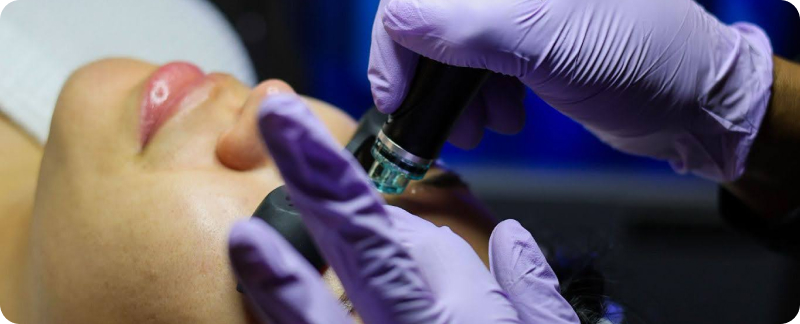
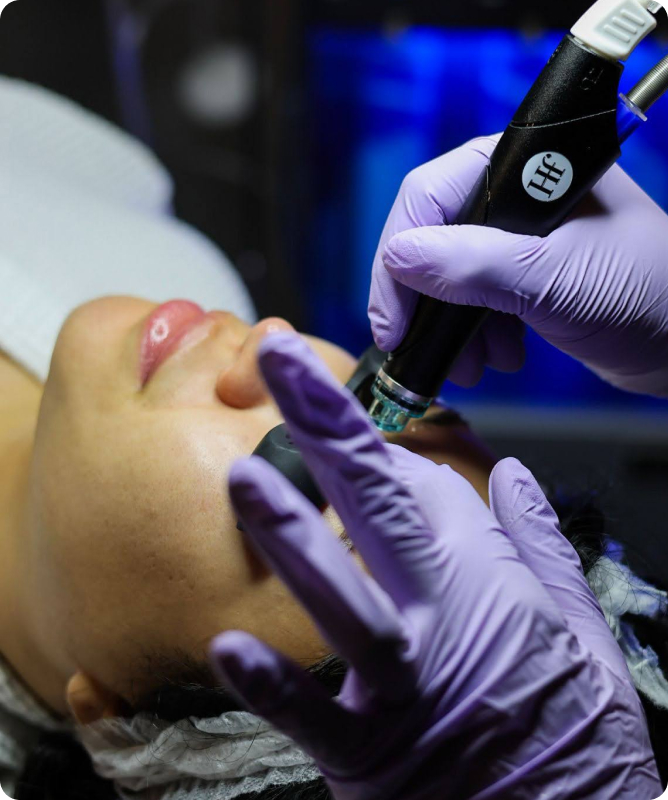
HydraFacial is a multi-step facial treatment that cleanses, exfoliates, extracts impurities, and infuses the skin with hydrating and antioxidant-rich serums. The treatment is designed to improve overall skin health while helping skin look brighter, more even — all with no downtime.
At WIFH, HydraFacial is one of the most popular facial treatments for patients who want refreshed, healthy-looking skin without irritation or recovery time. The treatment gently removes dull surface buildup and delivers targeted ingredients that support smoother, healthier-looking skin.
How HydraFacial Helps With Hyperpigmentation
HydraFacial can help improve mild discoloration by exfoliating the outer layer of the skin, where some pigment often sits. Removing these dull surface cells allows brighter, more even-toned skin to become visible.
During the treatment, specialized serums are also infused into the skin to support hydration, antioxidant protection, and overall tone balance. Healthy, well-hydrated skin tends to be more resilient and less likely to develop irritation-related pigmentation.
While HydraFacial is not typically used to treat deeper pigment on its own, it can noticeably improve overall brightness and support other corrective treatments.
HydraFacial is often recommended for concerns such as mild hyperpigmentation, post-acne marks, early sun damage, and dull or uneven skin tone. Many patients also choose it as a maintenance treatment between chemical peels or laser procedures, or as a quick refresh before an event.
Treatment Options at WIFH
HydraFacial treatments at WIFH are customized based on your skin goals and the amount of time available.
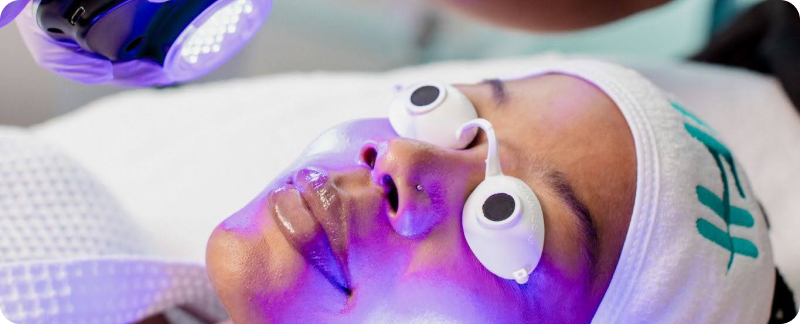
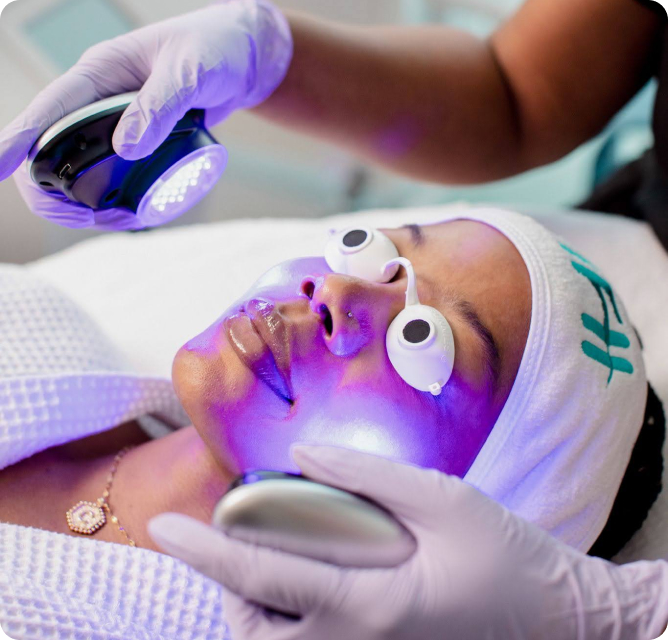
The Express HydraFacial (30 minutes) provides a quick reset with cleansing, exfoliation, extraction, and hydration. The Signature HydraFacial (45 minutes) adds targeted boosters and LED therapy to further support skin tone and overall skin health. For patients wanting the most comprehensive treatment, the HydraFacial Plus (60 minutes) includes additional customization and is often chosen for stubborn dullness or uneven tone.
Results and Maintenance
HydraFacial treatments typically take between 30 and 60 minutes, depending on the option selected. Most patients describe the experience as comfortable and refreshing, and there is no downtime. You can usually return to normal activities immediately after treatment.
Aftercare is simple. Wearing broad-spectrum SPF 30 or higher daily, keeping your skincare routine gentle for about 24 hours, and avoiding strong exfoliants right away can help protect your results.
Many patients notice smoother, brighter skin after a single session. For more sustained improvement in discoloration and overall skin tone, practitioners often recommend a series of treatments followed by consistent maintenance.
Oxygen Facial for Hyperpigmentation
The Oxygen Facial is a soothing, non-invasive treatment designed to hydrate, refresh, and revitalize the skin. At WIFH, this facial combines gentle exfoliation, customized serums, and an oxygen infusion that helps deliver nourishing ingredients deep into the skin.
Many patients choose the Oxygen Facial when they want brighter, healthier-looking skin without aggressive exfoliation. The treatment focuses on improving hydration and overall skin balance while creating a refreshed, healthy-looking appearance.
How the Oxygen Facial Supports Skin Tone
While the Oxygen Facial is not designed to aggressively treat deeper pigment, it can support improvements in overall skin tone and radiance. The treatment delivers antioxidant-rich and hydrating ingredients that help improve skin comfort and strengthen the skin barrier.
Well-hydrated, balanced skin tends to respond better to treatments and is less likely to develop irritation that can worsen discoloration. Because the Oxygen Facial focuses on calming and nourishing the skin, it can be a helpful option for patients who need a gentler approach.
This treatment is often recommended for patients with sensitive or reactive skin, dry or dull skin, or mild uneven tone. It can also serve as a maintenance treatment between more corrective procedures or as a brightening facial before an event.
What to Expect and Maintenance
Oxygen Facial treatments typically take about 45 to 60 minutes. The experience is designed to be calming and restorative, and most patients leave with skin that looks refreshed, hydrated, and glowing.
There is no downtime, so you can return to normal activities immediately after treatment.
Aftercare is simple. Wearing broad-spectrum SPF daily, maintaining a hydrating skincare routine, and avoiding aggressive exfoliation for about 24 hours can help protect your results.
Many patients notice an immediate improvement in skin radiance after a single treatment. For longer-term support of skin tone and overall skin health, practitioners may recommend a series of treatments followed by regular maintenance.
Choosing the Best Facial for Your Hyperpigmentation at WIFH
If your pigment is mild, your skin is sensitive, or you’re looking for a low-downtime option, facials are often a smart first place to start. The “best” facial depends on your pigment type, skin tone, sensitivity, and whether you’re using facials as a stand-alone approach or part of a larger plan.
If you’re not sure where to begin, schedule a free consultation at WIFH. We’ll evaluate your skin, talk through what’s driving your hyperpigmentation, and recommend a treatment plan designed for safe, sustained improvements.
Facials for Hyperpigmentation Cost
HydraFacial
| HydraFacial | Price | 3 Pack |
|---|---|---|
| Express HydraFacial (45 minutes) | $200 | |
| Signature HydraFacial (1-Hour) | $299 | 3 For $822 (save $75) |
| HydraFacial + (1 hour 15 Minutes) | $350 | 3 For $975 (save $75) |
| HydraFacial Neck & Decollete add-on | $75 | - |
| HydraFacial with Dermaplaning Add-on | $374 | 3 For $1,047 (save $75) |
| HydraFacial + with Dermaplaning Add-on | $425 | 3 For $1,200 (save $75) |

Sarah Richardson, LME
Sarah Richardson is a Medical Aesthetician and an Assistant Cosmetic Laser Practitioner licensed by the Georgia Medical Composite Board. With over 16 years of skin care experience, Sarah specializes in creating customized treatment plans to address our patients’ individualized needs. Through a combination of clinical facials and aesthetic procedures, as well as scientifically effective skin care products, Sarah helps patients achieve a healthy, radiant, and glowing complexion. She is truly passionate about what she does and loves to educate others who are looking to improve their skin’s health.