


Determining the Best Treatment for Face, Hair, and More
Regenerative aesthetic treatments have transformed how we approach skin rejuvenation, hair restoration, and tissue repair. From PRP and PRF to newer options like PDGF+ and PureGF, there are now several ways to stimulate your body’s natural healing response and boost collagen production without surgery.
While these treatments share similar goals, they differ in how they are prepared, how they interact within the skin, and how consistent or safe their results are. In this guide, we’ll compare PRP, PRF, PDGF+, and PureGF side by side, explaining how each treatment works, what to expect, and which options are safest and most effective for specific areas like the face, under eyes, scalp, and topical skin rejuvenation.
At WIFH, we offer both PRP and PureGF, two of the most effective and trusted regenerative treatments available today.
What is PRF (Platelet-Rich Fibrin)?
PRF, or platelet-rich fibrin, is often referred to as the next generation of PRP and is offered at some medical practices for skin rejuvenation. It’s created by spinning a small blood sample at a lower speed, preserving platelets, white blood cells, and a fibrin matrix. Because no additives are used, the fibrin network acts as a scaffolding matrix that entraps platelets, white blood cells, and growth factors that allow for a gradual release of growth factors over time, rather than a very rapid burst.
When injected, PRF forms a soft, concentrated gel that supports skin rejuvenation in areas that may appear thin or hollow, such as the under eyes, cheeks, and nasolabial folds. While you may notice a mild firming or smoother texture shortly after treatment, PRF is not designed to create the same level of volume or lift as dermal fillers or Sculptra. Instead, its effects are subtle and gradual, working beneath the surface to naturally strengthen the skin’s structure, improve elasticity, and enhance overall tone over time. Results typically develop over several weeks and can last 12 to 18 months, with maintenance sessions helping to sustain skin health and quality.
While PRF can produce visible rejuvenation, it requires a blood draw and must be used immediately after preparation due to its short shelf life. WIFH does not offer PRF treatments but provides PureGF, an FDA-registered growth factor treatment that delivers more consistent, potent, and predictable results without the need for a blood draw.
What is PRP (Platelet-Rich Plasma)?
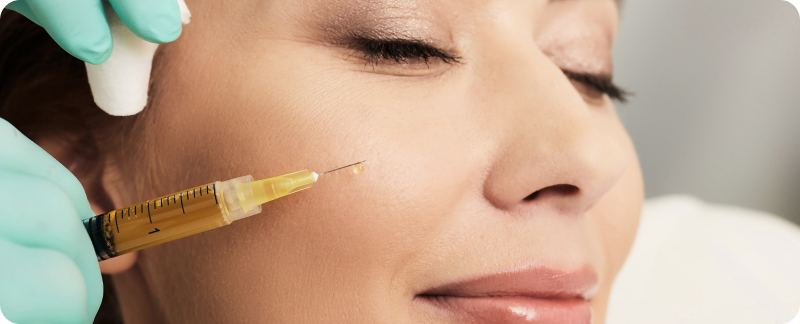
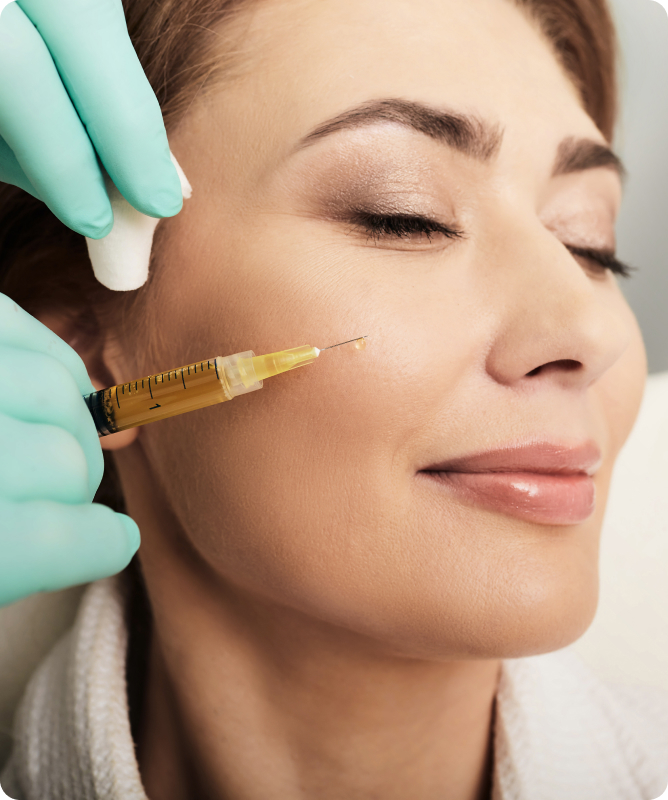
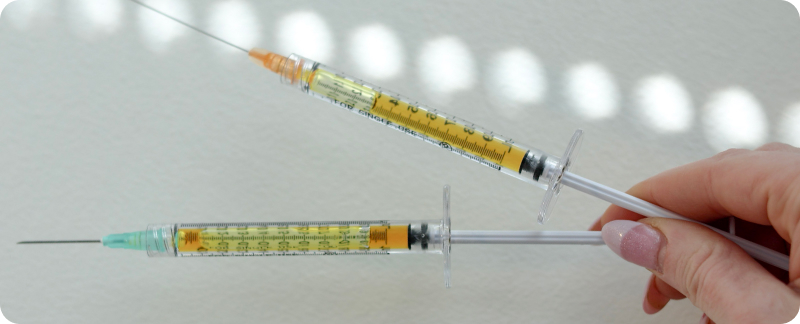
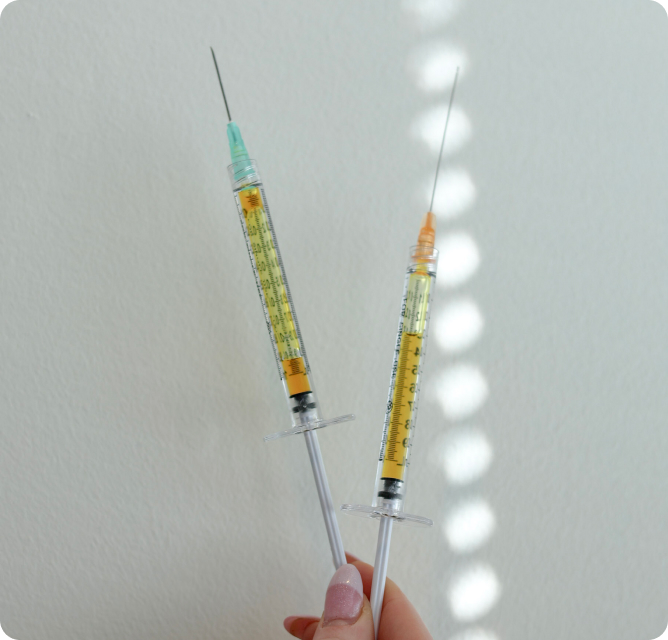
At WIFH, Platelet Rich Plasma (PRP) remains one of our most trusted regenerative treatments for rejuvenating skin and stimulating natural collagen production. The treatment begins with a simple blood draw, which is then spun in a centrifuge to separate the golden plasma layer rich in platelets and growth factors. When injected, PRP activates your body’s natural healing response to smooth texture, firm skin, and enhance radiance.
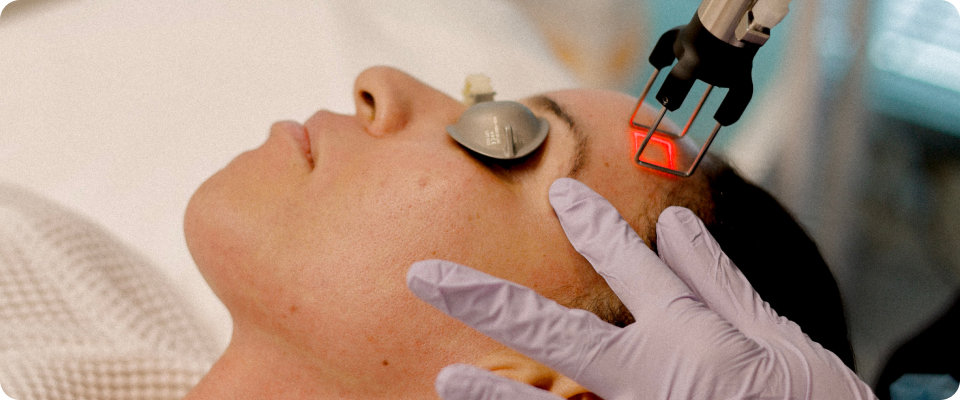
PRP can be used throughout the face and scalp. Under the eyes, it strengthens thinning skin and improves dark circles and fine lines. Around the mouth and nasolabial folds, it restores hydration and elasticity without adding volume. When injected into the scalp, PRP helps stimulate dormant follicles for thicker, healthier growth. It can also be applied topically after microneedling or laser resurfacing to accelerate healing and enhance collagen stimulation.
Because PRP is derived entirely from your own blood, it’s safe, biocompatible, and carries no risk of reaction. However, results can vary based on factors such as age, health, diet, hydration, medications, and lifestyle can all influence platelet potency and collagen response. While PRP continues to deliver beautiful, natural results, WIFH’s newer PureGF treatment has quickly become the most popular choice for patients seeking stronger, more consistent, and longer-lasting rejuvenation.
What’s the Difference Between PRP Injections vs. PRP Gel?
At WIFH, we specialize in PRP injections, but many patients tend to ask us about PRP Gel, so it’s important to understand the difference.
PRP injections use concentrated platelet-rich plasma in its natural, liquid form. This allows for precise placement and even distribution throughout the tissue, stimulating collagen production, improving skin tone and texture, and restoring a healthy, youthful appearance. PRP injections are highly versatile and can be used to rejuvenate delicate areas under the eyes, smooth lines around the mouth and nasolabial folds, and stimulate hair growth when injected into the scalp. They can also be applied topically after microneedling or laser resurfacing to accelerate healing and enhance overall skin renewal.
PRP Gel, on the other hand, is created by gently warming PRP after it is drawn, which transforms it into a thicker, gel-like consistency. This version behaves more like a natural filler and is typically used for subtle volume enhancement in areas like the under eyes or around the mouth.
While PRP Gel can offer structural support, PRP injections remain the preferred option at WIFH due to their versatility, precision, and proven results. For patients seeking an even more advanced and consistent approach to regenerative rejuvenation, we also offer PureGF, our most popular next-generation growth factor treatment.
What is PDGF+ (Platelet-Derived Growth Factor)?
PDGF+, or platelet-derived growth factor, is a synthetic or bioengineered product designed to mimic one of the body’s natural growth factors. Some formulations use recombinant technology to produce a sterile, pharmaceutical-grade form of PDGF combined with hyaluronic acid, sodium acetate, and water.
When applied topically or during microneedling or laser resurfacing treatments, PDGF+ can help activate fibroblasts, promote collagen and elastin production, and improve tone and hydration. It may also reduce inflammation, strengthen the skin barrier, and support hydration and elasticity. It is also promoted for scalp use, where the growth factors can help encourage thicker and fuller hair growth.
However, PDGF+ is not FDA-approved or registered for cosmetic injection use. Because formulations vary and lack standardization, results are unpredictable. Improper use has been linked to prolonged swelling or unwanted fullness that can take months—or even years—to resolve.
At WIFH, we do not offer PDGF+ injections. Instead, we use PureGF, an FDA-registered and clinically formulated growth factor product that goes beyond a single peptide or protein. PureGF delivers a comprehensive extracellular matrix of regenerative ingredients, including 28 types of collagen, elastins, hyaluronic acid, proteins, and lipids. It’s engineered for consistent, potent, and predictable results with no blood draw required.
We are committed to using only products that have been clinically tested, FDA-registered or approved, and proven safe to ensure the highest standard of care for our patients.
What is PureGF (Regenerative Growth Factor)?
PureGF represents the next generation of regenerative skincare. It is an FDA-registered and regulated human cellular tissue product that rejuvenates and repairs skin by introducing concentrated growth factors and extracellular matrix components directly into targeted areas. Unlike PRP or PRF, PureGF removes the variability caused by differences in age, diet, health, or lifestyle, offering consistent, potent, and predictable results for every patient.
Each vial of PureGF contains key regenerative ingredients, including hyaluronic acid, elastins, nanoparticles, proteins, lipids, nucleic acids, and 28 collagen types across 2 collagen subtypes. Together, these elements work to rebuild structure, improve elasticity, and support smoother, more hydrated skin.
Because PureGF does not require a blood draw, treatments are quick, comfortable, and highly versatile. It can be safely and effectively used under the eyes to brighten and firm delicate skin, around the mouth to smooth fine lines and restore elasticity, and in the nasolabial folds to refine texture and improve overall tone. When injected into the scalp, PureGF helps support stronger, thicker hair by nourishing the follicles at a cellular level. It can also be applied topically following microneedling or laser resurfacing treatments to accelerate healing, enhance collagen remodeling, and optimize post-procedure results for a smoother, more luminous finish.
The PureGF Advantage
- Consistent product vial to vial for reliable results
- FDA-registered and traceable, with a certificate of analysis for every batch
- Eliminates the need for a blood draw and specialized equipment
- Reduces patient downtime and integrates easily into combination treatments
- Clinically proven safety with over 300,000 patients treated and zero reported adverse events
- Encourages rebuilding through a true extracellular matrix designed to activate the body’s own collagen response
PureGF helps revitalize tone, texture, and elasticity by stimulating collagen production at a cellular level. With its unmatched consistency, advanced formulation, and strong safety record, it delivers reliable, visible rejuvenation for every skin type and age group.
PRF vs. PRP vs. PDGF+ vs. PureGF: What Are the Key Differences?
Each regenerative treatment works differently to restore and rejuvenate the skin, scalp, and underlying tissues. While PRP and PRF rely on your own blood’s natural healing properties, newer growth-factor options like PDGF+ and PureGF deliver bioengineered or clinically formulated solutions designed to enhance collagen production and cellular repair.
Below is a side-by-side comparison showing how each treatment is composed, prepared, and performed. As well as how they differ in consistency, results, and safety. This overview can help you understand which approach may best align with your goals before meeting with our experienced WIFH medical team.
| PRP | PRF | PDGF+ | PureGF | |
|---|---|---|---|---|
| Composition | Concentrated platelets derived from your blood | Platelets, white blood cells, and fibrin from your blood | Synthetic or compounded platelet-derived growth factors | FDA-registered & regulated human cellular tissue product with concentrated growth factors |
| Preparation | Blood draw and centrifuge separation | Blood draw and a slower centrifuge for clot formation | A compounded or synthetic solution that comes in a vial | A solution that is rich in biological materials & growth factors that comes in a vial |
| Procedure | Injected into the undereyes, around the mouth, or into the scalp; can also be applied topically after skin procedures | Injected into the undereyes, around the mouth, or into the scalp. It’s structural matrix naturally releases after injection for extended release. It can also be applied topically after skin procedures. | Typically used topically during microneedling or other skin procedures; Not currently approved to be injected aesthetically. | Injected into the undereyes, around the mouth, or into the scalp. It can also be applied topically after skin procedures. No blood draw required. |
| Side Effects | Mild redness, swelling, or bruising | Mild swelling or puffiness for 24–48 hours | Risk of prolonged swelling, nodules, or uneven fullness | Little to no swelling, minimal redness, high sterility, well tolerated |
| Results | Brightens and smooths the skin while improving texture and firmness. Can also strengthen hair follicles and encourage fuller growth over time. | Softly restores volume, tightens skin, and enhances elasticity with gradual, natural improvement that continues for months. | Can enhance surface texture and hydration, but injectable results vary widely due to formulation differences and lack of standardization | Visibly refines texture, boosts firmness, and restores a youthful, hydrated look with reliable, long-lasting rejuvenation for skin and scalp. |
| Aftercare | Avoid makeup, heat, and exercise for 24 hours; keep skin clean and hydrated | Avoid touching treated areas for 24–48 hours; keep skin moisturized and protected | Follow provider instructions; avoid pressure on treated areas. Results and recovery vary by formulation. | Minimal care needed; keep skin clean and hydrated; avoid heat for 24 hours; resume skincare within a day |
| Cost | $350-$625 | $650 | $400-$1,250 | $450-$875 |
*Pricing based on single-session pricing
PRF vs. PRP vs. PDGF+ vs. PureGF for Specific Areas of the Body
PRF vs. PRP vs. PDGF+ vs. PureGF for Under Eyes
The under-eye area is one of the most delicate and commonly treated zones for regenerative procedures. Each option below works differently to address concerns like dark circles, thinning skin, fine lines, and hollowness.
- PRF: Provides natural improvement for hollowing and skin texture through a gradual release of growth factors.
- PRP Gel: Adds subtle volume and radiance, softening crepey texture and minimizing fine lines.
- PDGF+: Is currently not approved to be injected under the eyes, but can be applied topically to the skin.
- PureGF: Safe and effective for tightening, hydrating, and brightening the delicate under-eye area, offering consistent results every time.
PRF vs. PRP vs. PDGF+ vs. PureGF for Face
When it comes to overall facial rejuvenation, regenerative treatments can smooth fine lines, restore firmness, and improve elasticity. Some are injected into areas like the nasolabial folds or around the mouth, while others are applied topically after microneedling or laser resurfacing, like CoolPeel or Fractional CO2, for enhanced results.
- PRP: Stimulates collagen and elastin to smooth fine lines and improve overall tone. It can be injected into the nasolabial folds or around the mouth to restore elasticity and hydration, or applied topically after microneedling or laser resurfacing to enhance healing and boost results. Best suited for patients with healthy platelet activity seeking natural rejuvenation.
- PRF: Provides gradual tightening and improved firmness over time, creating a soft, refreshed look. Commonly used in areas with early signs of laxity for subtle, natural improvement.
- PDGF+: Can be applied topically after microneedling or laser resurfacing treatments to help support skin revitalization and reduce healing time. Even though the PDGF component itself may be similar to that used in certain FDA-approved products, the cosmetic formulation as a whole has not been evaluated or approved for injection use. As a result, outcomes may vary when injected due to differences in formulation and regulation.
- PureGF: Offers powerful, uniform rejuvenation whether injected or applied post-procedure. It refines texture, brightens tone, and enhances elasticity with consistent results, making it ideal for all skin types and treatment combinations.
PRF vs. PRP vs. PDGF+ vs. PureGF for Hair
Regenerative growth-factor treatments are also used for hair restoration, stimulating dormant follicles, and improving scalp health. The options below vary in how they deliver growth factors and in how consistent their results can be.
- PRP: One of the most proven options for stimulating new hair growth. PRP injections deliver concentrated platelets directly to the scalp to awaken dormant follicles, strengthen existing strands, and encourage thicker, fuller growth. Results are most predictable in patients with early to moderate thinning, particularly those in their twenties to forties with strong platelet activity.
- PRF: Enhances follicle stimulation through a slower, sustained release of growth factors, promoting gradual thickening and improved scalp health over time.
- PDGF+: While sometimes promoted for scalp rejuvenation, there is limited clinical evidence and no FDA clearance supporting its use as an injectable, making results less predictable. It can be applied topically after microneedling the scalp to help support overall skin and follicle health.
- PureGF: A powerful alternative that delivers consistent, controlled concentrations of growth factors to the scalp. It removes the variability seen with PRP & PRF, your results are not dependent on age, health, diet, or lifestyle factors. PureGF provides a comfortable, predictable option for stimulating healthy hair regrowth across multiple sessions without the need for a blood draw.
PRF vs. PRP vs. PDGF+ vs. PureGF for Joints
While WIFH focuses on aesthetic and hair-restoration treatments, these regenerative products were originally developed to help support joint healing and soft-tissue repair. Understanding their orthopedic background highlights just how advanced these technologies have become in medical aesthetics.
- PRP: PRP injections are widely used in orthopedic and sports medicine to support joint healing, reduce inflammation, and promote soft-tissue repair in areas such as the knees, shoulders, and elbows.
- PRF: Offers similar regenerative potential through a slower, sustained release of growth factors, which may aid in long-term tissue recovery and pain reduction.
- PDGF: Specific recombinant human PDGF (rhPDGF-BB) products have received FDA approval for certain orthopedic and bone fusion procedures. However, compounded PDGF+ formulations used in aesthetics are not FDA-approved or registered for injection and lack standardized safety data
- PureGF: Formulated with over 1,000 growth factors and 28 collagen types, PureGF’s advanced extracellular matrix supports the body’s natural repair and regeneration. Enriched with hyaluronic acid, chondroitin, elastins, and peptides, it helps strengthen connective tissue, enhance lubrication, and promote long-term joint and tissue health.
Schedule a Consultation with WIFH
At WIFH, our expert medical team takes a personalized approach to every regenerative treatment plan. During your consultation, we will evaluate your goals, skin health, and lifestyle to determine whether PRP, PureGF, or a customized combination is the best fit for you.
Whether you are looking to restore fullness, refine texture, improve tone, or stimulate hair growth, we will tailor your treatment to help you achieve healthy, radiant, and long-lasting results.
Experience why WIFH is Atlanta’s trusted leader in regenerative skin and hair restoration. Schedule your complimentary consultation today!
Cost of PRP & PureGF in Atlanta
PureGF (Pure Growth Factor) & PRP (Platelet-Rich-Plasma) Injectables
| PureGF & PRP | Single Session | 4 Session Package |
|---|---|---|
| PureGF Under-Eye | $750 | $2,500 (save $500) |
| PureGF Lip | $750 | $2,500 (save $500) |
| PureGF Scalp/Hair | $975 | $3,400 (save $500) |
| PRP Lip | $500 | $1,500 (save $500) |
| PRP Scalp/Hair | $625 | $2,250 (save $250) |
| PRP Under-Eye | $500 | $1,500 (save $500) |

Regan Kudlata, RN, MSN, FNP-C
Regan Kudlata is a licensed Family Nurse Practitioner and a Senior Cosmetic Laser Practitioner licensed by the Georgia Composite Medical Board. Regan has more than 20 years of laser experience in laser hair removal, tattoo removal, skin rejuvenation, treatment of veins and skin lesions, IPL and SculpSure at WIFH. She also holds an advanced injector certification and has more than 18 years of experience with Botox and dermal fillers.